
Peanut butter used to be something you brought back in a suitcase after a trip abroad. Now it’s a genuine Indian FMCG category with homegrown brands built specifically around Indian fitness culture, price sensitivity, and taste preferences — and one Indian-born brand alone now holds roughly 22% of the entire domestic market. That shift from imported niche product to everyday household staple happened remarkably fast, and understanding who’s actually winning that race tells you a lot about what Indian consumers now expect from their peanut butter.
Pintola
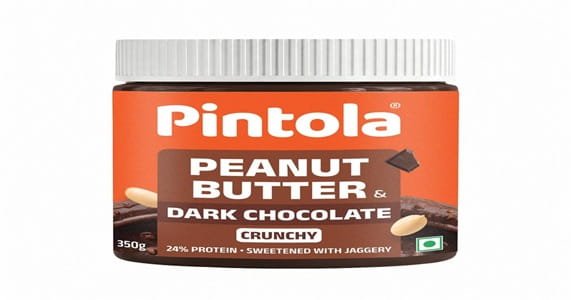
Founded in 2012, Pintola has built its reputation specifically around clean-label, minimally processed peanut butter, appealing strongly to health-conscious consumers and fitness enthusiasts who prioritize simple ingredient lists over flavor additions. Its All Natural variant contains 100% roasted peanuts with no added salt, sugar, or oil, making it a genuine favorite among clean-eating and keto-focused buyers specifically willing to stir the natural oil separation that comes without stabilizers. Pintola has become one of the most trusted names in this category among nutritionists and serious fitness buyers, and its wide product range spans creamy, crunchy, chocolate, and high-protein variants to cover nearly every use case.
MyFitness
MyFitness has grown into one of the fastest-expanding peanut butter brands in India, built on 100% roasted peanuts and positioned firmly around everyday fitness nutrition. The brand offers organic jaggery-based variants as a sugar alternative alongside more conventional options, giving health-conscious buyers genuine choice within its own range. MyFitness currently holds an estimated 22% share of India’s entire peanut butter market, and its strong online sales performance combined with affordable pricing has made it consistently the go-to answer whenever someone asks which peanut butter to use daily.
Alpino
Alpino has positioned itself firmly within the sports nutrition and fitness category, offering flavored, crunchy, creamy, and high-protein peanut butter variants specifically designed for gym-goers and active buyers. Its Chocolate Peanut Butter has become a standout product precisely because it delivers genuine richness without feeling artificially sweet, while its High Protein variant with added whey appeals directly to consumers looking to boost protein intake through food rather than separate supplements. Alpino’s visibility grew considerably following investment through Shark Tank India, which helped push the brand toward meaningful annual revenue growth and broader mainstream recognition.
Kissan
Kissan brings decades of established food-brand trust into the peanut butter category, leveraging its broader reputation across Indian households built through other product lines. Its peanut butter uses high-quality roasted peanuts delivering a thick, creamy texture well-suited to everyday spreading on bread or roti, positioning the brand as a dependable, accessible everyday option rather than a specialized fitness or clean-label product. Kissan remains a genuinely strong choice specifically for families and children’s breakfast use, where broad brand trust matters more than niche nutritional positioning.
Sundrop
Sundrop has built genuine appeal in the budget-friendly, mainstream segment of the peanut butter category, offering accessible pricing without abandoning basic quality standards. Alongside brands like Alpino and Kissan in the value-conscious tier, Sundrop appeals to households prioritizing affordability and everyday usability over premium clean-label positioning or specialized fitness formulations. This makes it a genuinely practical entry point for families trying peanut butter for the first time without committing to a more expensive premium brand.
How to Actually Choose Between Them
Beyond brand reputation, a few practical label checks matter more than marketing claims. Peanuts should ideally be the first, and preferably only, primary ingredient — added sugar and palm oil are worth avoiding for regular daily use, since they add calories without nutritional benefit. Protein content per serving is a genuinely useful comparison point for fitness-focused buyers, with roughly 6 to 8 grams per 30-gram serving considered a reasonable benchmark, while some specialized whey-enhanced variants push considerably higher. Texture preference — creamy for easy spreading on toast or roti, crunchy for added texture in snacks and cooking — comes down purely to personal preference rather than any meaningful nutritional difference.
What’s Driving Category Growth
Peanut butter’s shift from niche fitness product to everyday Indian household staple has been driven largely by growing awareness around protein intake and balanced eating, alongside genuine convenience for quick breakfasts and snacks. Winter months specifically see increased interest, since peanut butter’s steady energy release becomes more valued when physical activity naturally decreases. The category has also diversified considerably beyond basic creamy and crunchy variants into chocolate, high-protein whey-enhanced, and other nut butter alternatives, reflecting genuinely broadening consumer taste and nutritional demands.
The Bottom Line
Pintola and MyFitness lead the clean-label, health-focused segment through minimal ingredients and strong fitness-community trust, Alpino has built genuine momentum in flavored and protein-enhanced variants, while Kissan and Sundrop serve the broader, more budget-conscious everyday household market. With protein-focused eating and convenient breakfast solutions continuing to drive category growth, these five brands represent the clearest starting points for Indian consumers navigating an increasingly crowded and specialized peanut butter aisle.
FAQs
Q1. Is natural peanut butter with oil separation actually better than the smooth, stabilized kind?
Natural peanut butter without added stabilizers tends to have fewer additives and a cleaner ingredient list, which many health-conscious buyers prefer, though it does require regular stirring since the natural oil separates and rises to the top. Stabilized varieties offer more convenience with a consistently smooth texture, but often achieve this through added oils or emulsifiers, so it’s a genuine tradeoff between convenience and minimal processing rather than one being definitively “better.”
Q2. How much protein should I actually look for in a peanut butter if I’m buying it for fitness purposes?
Roughly 6 to 8 grams of protein per 30-gram serving is generally considered a solid benchmark for standard peanut butter, while specialized whey-enhanced variants from brands like Alpino or MuscleBlaze can push closer to 9-10 grams per similar serving size. If you’re using peanut butter as a genuine protein supplement rather than just a spread, checking the specific protein content on the label matters more than relying on general brand reputation.
Q3. Why does my peanut butter jar have oil sitting on top, and is that a sign of poor quality?
Oil separation is actually a normal sign of natural, minimally processed peanut butter without added stabilizers, not a quality defect — simply stir it back in before your first use and it typically stays well-mixed afterward. Brands specifically marketing “no stabilizers added” or “100% peanuts” are the ones most likely to show this separation, and it’s generally considered a positive indicator of a cleaner ingredient list rather than something to avoid.
Q4. Should I store peanut butter in the fridge, and does it affect the taste or texture?
In hot or humid climates, refrigeration helps prevent the oil from going rancid and extends shelf life, though it can make the peanut butter noticeably firmer and harder to spread straight from the fridge. If your kitchen stays reasonably cool and you finish a jar within a few weeks, storing it in a cool, dry pantry away from heat sources like the stove is generally fine and keeps the texture easier to work with.