
Roughly 70% of India’s pickle market still runs through home kitchens, dabha-style makers, and street vendors rather than branded products on a shelf. That’s a genuinely unusual dynamic for a packaged food category — it means every branded pickle maker in the country is competing not just against each other, but against a grandmother’s recipe passed down for generations. The five brands that have managed to win real, lasting shelf space against that backdrop have done it by getting remarkably close to homemade taste at genuine commercial scale.
Mother’s Recipe
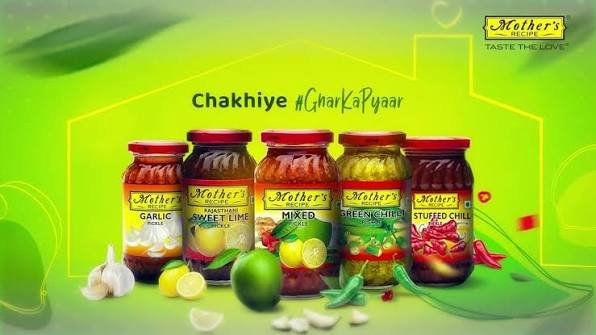
Mother’s Recipe has built its identity almost entirely around replicating authentic, homemade pickle taste at scale, and that positioning has made it one of the most consistently recognized names in the organized Indian pickle market. The brand has continued expanding its packaging formats in response to shifting consumer habits, including larger PET jar variants designed for households wanting more convenient, resealable options beyond traditional glass jars. Mother’s Recipe has also moved deliberately into the organic pickle segment, reflecting the broader industry shift toward cleaner-label products as health-conscious demand grows across urban India.
Priya Foods
Priya Foods has established itself as a major national player with particularly strong recognition for South Indian-style pickles and condiments, complementing its core pickle offerings with a broader range of ready-to-eat and traditional South Indian food products. This diversified portfolio strengthens Priya’s overall brand presence, since consumers who trust the brand for one product category tend to extend that trust across its wider range. The brand’s strong regional roots, especially across South India, give it a genuinely loyal customer base that has sustained its market position over decades.
Nilon’s
Nilon’s has built a broad, diversified presence across pickles, jams, and other packaged food categories, giving the brand considerable shelf visibility across both traditional retail and modern supermarket chains. Its pickle range spans the classic mango, lime, and mixed vegetable varieties that dominate the category nationally, positioning Nilon’s as a genuinely accessible, everyday choice rather than a premium or highly regionalized specialty brand. This broad-appeal strategy has helped Nilon’s maintain consistent national distribution rather than concentrating heavily in any single region.
Pachranga
Pachranga has carved out a strong identity specifically through its association with classic North Indian pickle traditions, particularly benefiting from the strong pickle-making culture rooted in Punjab and Haryana, where the practice carries deep culinary and cultural significance. This regional authenticity has translated into genuine brand loyalty among consumers who specifically seek out traditional North Indian pickle flavors and preparation styles, giving Pachranga a distinct positioning compared to more broadly generalized national brands.
Aachi Foods
Aachi Foods has built its reputation primarily around South Indian spices, masalas, and pickles, leveraging deep expertise in regional flavor profiles to create pickles that resonate strongly with South Indian culinary traditions specifically. As part of a broader spice and condiment portfolio, Aachi’s pickle offerings benefit from the brand’s established credibility in flavor authenticity, and its strong regional distribution network has helped it maintain a genuinely loyal customer base across South Indian states.
What’s Reshaping the Category Right Now
The Indian pickle market is undergoing genuine, meaningful shifts beyond just brand competition. Chilli-based pickles specifically are growing considerably faster than the category average, driven partly by a documented rise in branded pickle sales across urban centers over recent years, and partly by growing consumer interest in spicy, bold flavor profiles more broadly. At the same time, food safety inspections have intensified across the organized sector, with growing pressure from retailers and e-commerce platforms for suppliers to obtain recognized quality certifications — a trend that increasingly favors established, well-resourced brands over smaller, less formalized producers.
Packaging is evolving too, with lighter, shatterproof stand-up pouches gaining ground specifically for e-commerce-friendly distribution, alongside continued demand for the traditional glass jar format that still dominates in-store purchasing. Organic certification remains a smaller but genuinely growing niche, particularly for premium and export-focused pickle products targeting increasingly health-conscious buyers both domestically and abroad.
The Bottom Line
Mother’s Recipe and Nilon’s have built genuinely broad national appeal through diversified product ranges and homemade-taste positioning, while Priya, Pachranga, and Aachi have carved out strong regional loyalty rooted in specific culinary traditions. With the organized pickle segment growing at a robust double-digit rate and chilli-based varieties leading category growth, these five brands remain well-positioned — though rising quality certification expectations and shifting packaging preferences will continue to shape how they compete for shelf space in the years ahead.
FAQs
Q1. Which pickle brand is best if I specifically want authentic South Indian flavors?
Priya Foods and Aachi Foods have both built their reputations specifically around South Indian pickle-making traditions and flavor profiles, making them strong choices if that’s your specific culinary preference. Both brands have deep regional roots and distribution strength across South Indian states, so checking regional availability in your specific area is worth confirming before purchasing.
Q2. Are any of these major Indian pickle brands offering genuinely organic or preservative-free options?
Yes, several major brands including Mother’s Recipe have launched dedicated organic pickle lines in response to growing health-conscious demand, though these are typically separate premium product variants rather than replacing the brand’s standard offerings. It’s worth checking the specific product label for organic certification markings like NPOP rather than assuming the brand’s entire range meets this standard.
Q3. Why do homemade and small local pickle makers still dominate such a large share of the Indian market despite these established national brands?
Pickle-making carries deep cultural and generational significance in Indian households, and many families have strong personal or regional recipe traditions that branded products, however well-made, don’t fully replace. This cultural attachment, combined with the ease of traditional home preservation methods, explains why the unorganized sector still represents roughly 70% of the total market value despite decades of branded product availability.
Q4. How do I choose between glass jar and pouch packaging when buying branded pickles?
Glass jars remain the traditional, still-dominant format and tend to be preferred for longer shelf storage and perceived freshness, while newer stand-up pouches offer a lighter, more shatter-resistant option that’s increasingly popular for online ordering and everyday convenience. If you’re buying online or in bulk, pouches are generally more practical for shipping and storage, while glass jars remain a solid choice for in-store purchases where breakage during transit isn’t a concern.