
India’s cooking oil market moves roughly 24 million tonnes a year, and yet the vast majority of that volume flows through a surprisingly small handful of brands. That concentration isn’t accidental — cooking oil is one of the few grocery categories where trust, built over decades through consistent quality and wide distribution, matters more to Indian households than flashy marketing or frequent brand-switching. These five names have earned that trust in genuinely different ways.
Fortune
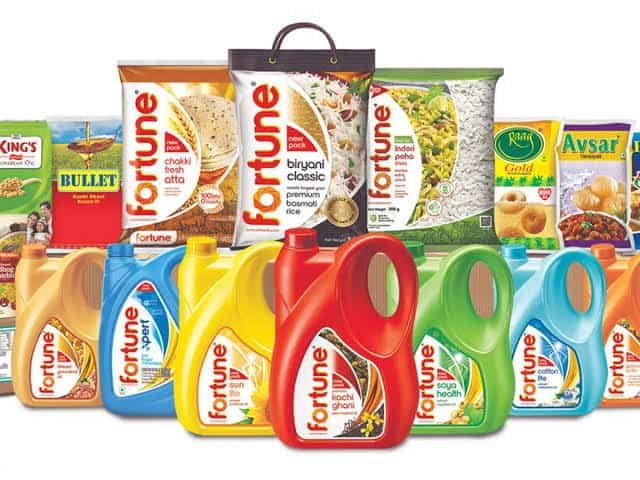
Fortune, owned by Adani Wilmar, has built the single largest footprint in Indian cooking oil through sheer product breadth and distribution reach — the brand spans soybean, sunflower, rice bran, mustard, and multiple other oil varieties, giving it genuine relevance across nearly every regional cooking preference in the country. Adani Wilmar’s strong presence in both domestic and institutional markets has helped Fortune maintain consistent visibility across urban supermarkets and small-town kirana stores alike. Fortune Rice Bran Health Oil specifically has been recognized among the category’s top-performing products, reflecting the brand’s continued push into the health-conscious segment alongside its traditional cooking oil range.
Saffola
Saffola, under Marico, occupies a genuinely distinct position in the market — the brand built its entire identity around heart health rather than simply competing on price or general availability. Saffola Gold, Saffola Active, and Saffola Total each target slightly different consumer needs within that same health-focused positioning, giving the brand a segmented product strategy that few competitors have replicated as successfully. This consistent health-first branding has translated into strong, sustained revenue and market share growth, and Marico’s broader consumer goods expertise gives Saffola genuine marketing and distribution muscle beyond what a single-product oil brand could achieve.
NatureFresh
NatureFresh, from Cargill India, has built its reputation around sourcing practices and a broader sustainability focus, working closely with local farmers to promote responsible sourcing across its sunflower, groundnut, palm, and cottonseed oil offerings. As the Indian arm of a major global agribusiness company, Cargill brings considerable supply chain expertise and quality control infrastructure to NatureFresh, and the brand has shown steady, consistent growth driven specifically by its positioning around natural, healthier cooking oil options.
Nutrela
Nutrela, the flagship brand of Ruchi Soya Industries, has become a genuine household name specifically for high-quality soybean oil, while the broader Ruchi Soya portfolio extends into sunflower, mustard, and palm oil under complementary brand names like Ruchi Gold and Mahakosh. As one of the largest integrated edible oil players in India, Ruchi Soya benefits from extensive vertical integration across sourcing and processing, which has helped Nutrela maintain competitive pricing while sustaining broad national distribution.
Dhara
Dhara carries a genuinely unique legacy in the Indian cooking oil market, having built decades of brand recognition to the point where its name has become nearly synonymous with cooking oil itself for an entire generation of consumers. Now under the Mother Dairy umbrella, Dhara continues to apply rigorous quality testing processes to its oils, and its groundnut oil variant specifically has built a following around its cholesterol-lowering monounsaturated fat content. This long-standing legacy, combined with Mother Dairy’s trusted dairy-cooperative reputation, gives Dhara a distinct credibility that newer entrants in the category simply can’t replicate overnight.
What’s Shaping the Category Beyond These Five
The broader cooking oil market continues shifting toward health-conscious positioning, with rising urban populations and increasing disposable incomes driving demand for oils marketed around specific health benefits rather than pure cooking functionality. This has fueled genuine growth in newer entrants specifically focused on cold-pressed or wood-pressed extraction methods, appealing to consumers seeking less processed alternatives to conventional refined oils.
Industry consolidation has also reshaped the competitive landscape meaningfully — Adani Wilmar’s acquisition of a significant stake in Ruchi Soya has strengthened its overall market position considerably, allowing it to leverage Ruchi Soya’s existing distribution network and brand presence alongside its own Fortune portfolio. This kind of consolidation among major players suggests the market’s largest brands are likely to keep growing their combined share rather than fragmenting further.
What to Actually Consider When Choosing
Beyond brand reputation, two practical factors matter most for everyday cooking: smoke point and fat composition. A higher smoke point makes an oil better suited to high-heat frying and sautéing without breaking down and producing harmful compounds, while lower saturated and trans fat content matters considerably for long-term heart health. Checking these specifics on the label, rather than relying purely on brand name or marketing claims, gives you a more reliable basis for choosing the right oil for your specific cooking style.
The Bottom Line
Fortune, Saffola, NatureFresh, Nutrela, and Dhara each occupy genuinely distinct positions in India’s cooking oil market — from Fortune’s sheer breadth and distribution scale to Saffola’s health-first specialization and Dhara’s decades-long legacy trust. With rising health consciousness continuing to reshape consumer priorities and major players consolidating their market position through strategic acquisitions, these established brands remain well-positioned even as newer, more specialized entrants compete for space on increasingly health-conscious shopping lists.
FAQs
Q1. Which cooking oil brand is best specifically for heart health concerns?
Saffola has built its entire brand identity around heart health positioning, with product variants like Saffola Gold and Saffola Total specifically formulated with this focus, making it a reasonable starting point if that’s your primary concern. That said, it’s worth checking the specific fat composition and any health claims against your doctor’s or nutritionist’s specific dietary recommendations rather than relying on brand positioning alone.
Q2. Is it worth switching between different oil types, or should I stick to one brand and variety for all my cooking?
Many nutrition experts recommend rotating between different oil types — like mustard, groundnut, and sunflower — rather than relying on a single oil exclusively, since different oils offer varying fatty acid profiles and smoke points suited to different cooking methods. Sticking with trusted brands like the ones covered here while varying the specific oil type based on whether you’re deep-frying, sautéing, or using oil raw in dressings tends to be a more balanced approach than brand loyalty to just one product.
Q3. Are cold-pressed or wood-pressed oils genuinely better than refined oils from major brands like Fortune or Nutrela?
Cold-pressed and wood-pressed oils retain more natural nutrients and flavor since they avoid the high-heat refining process, which appeals to consumers prioritizing minimal processing, though they typically come at a higher price point and shorter shelf life. Refined oils from established brands undergo more processing but offer longer shelf stability and typically higher smoke points, making them more practical for everyday high-heat Indian cooking methods like deep-frying.
Q4. How do I verify that a cooking oil brand’s health claims, like “cholesterol-lowering” or “heart-healthy,” are actually accurate?
Checking the nutrition label directly for the specific fat composition — saturated, monounsaturated, and polyunsaturated fat percentages — gives you concrete data rather than relying on marketing language on the front of the package. Established brands with decades of market presence and regulatory compliance history, like the five covered here, generally have more reliable, verifiable labeling than newer, less-established brands making similar claims.