
Indians consume over 3 million tonnes of ghee a year, and prices for it now range anywhere from ₹400 to well over ₹1,500 per litre — a spread wide enough that choosing the wrong brand can mean paying premium prices for something barely better than the everyday jar sitting next to it. With ghee increasingly marketed as everything from a simple cooking fat to a “functional superfood,” cutting through the noise to find genuinely trustworthy, widely available brands matters more than ever.
Amul
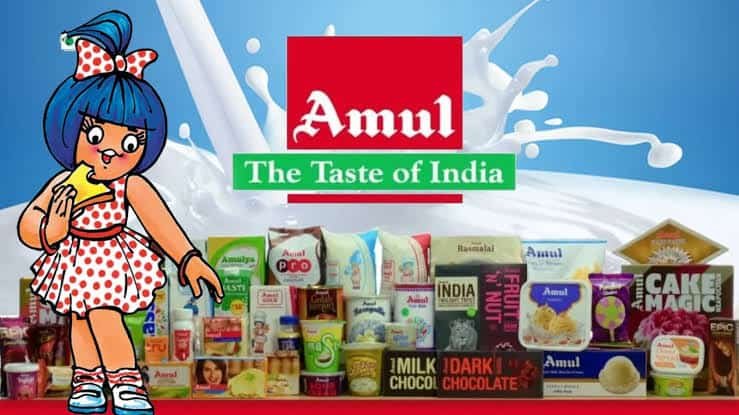
Amul remains India’s most trusted dairy brand overall, and its ghee reflects that reputation directly — a consistent grainy texture, rich aroma, and quality that holds up reliably batch after batch. As a dairy cooperative rather than a private corporation, Amul is able to offer genuinely competitive pricing despite maintaining premium quality standards, which is a large part of why it remains the default choice in so many Indian households. Its cow ghee variant specifically has built a particularly strong following, and the brand’s massive distribution network means it’s available virtually everywhere, from small kirana stores to major supermarket chains.
Mother Dairy
Mother Dairy has built its ghee business on the same trusted dairy cooperative model that made its milk and other dairy products household staples across North India in particular. The brand’s ghee is positioned firmly in the everyday, dependable segment — consistent quality at accessible pricing, without the premium markup that boutique or A2-specific brands carry. Mother Dairy’s extensive cold-chain distribution network, originally built around its milk business, gives it genuine logistical strength in keeping its ghee reliably stocked across a wide geographic footprint.
Patanjali
Patanjali has carved out a genuinely large market share by combining aggressive pricing with a brand identity rooted in Ayurvedic and traditional Indian values, appealing strongly to consumers specifically seeking desi, home-style ghee at accessible prices. The brand is commonly recommended alongside Amul as a solid choice for everyday cooking use, striking a practical balance between quality and affordability rather than competing in the premium A2 or bilona-method segment. Patanjali’s extensive retail network, built rapidly over the past decade, has made it a genuine national competitor to the more established dairy cooperatives.
Nestlé (Everyday)
Nestlé’s Everyday Shahi Ghee brings the company’s global food manufacturing expertise into the Indian ghee category, positioned as a more affordable alternative to premium A2-grade options while still emphasizing quality control. The brand states its milk fat goes through dozens of quality checks to maintain purity and consistency, and its ghee is manufactured domestically using milk sourced from local farmers. Nestlé’s strength here lies largely in its broader distribution muscle and brand recognition, giving Everyday genuine shelf presence even in a category dominated by dairy-specialist competitors.
Nandini
Nandini, Karnataka’s cooperative dairy brand, has built a reputation for offering excellent value alongside genuinely high purity standards, making it consistently ranked among the purer options available in the broader market. As a regional cooperative similar in structure to Amul, Nandini benefits from the same trust advantages that come with a farmer-owned, non-corporate dairy model, though its distribution remains considerably more concentrated in South India specifically rather than achieving the pan-India reach of Amul or Mother Dairy.
The Rise of the Premium A2 and Bilona Segment
Beyond these five mass-market leaders, a genuinely distinct premium category has grown rapidly in recent years — brands specifically marketing A2 milk sourced from indigenous cow breeds like Gir, Sahiwal, and Tharparkar, prepared using the traditional bilona method rather than industrial cream-based processing. This segment commands considerably higher prices, often several times that of mainstream brands, and appeals to health-conscious consumers specifically seeking traceable sourcing and traditional preparation methods.
It’s worth approaching this premium category with some healthy skepticism, though — nearly every brand in this space claims “purity” and “authenticity,” but actual quality varies considerably depending on genuine milk source, preparation method, and sourcing transparency, so checking for independent lab testing and FSSAI certification matters more than marketing language alone.
What to Actually Check Before Buying
Regardless of which brand you choose, a few practical checks apply universally. Look for a golden color, distinctly grainy texture, and nutty aroma as basic signs of quality. Confirm FSSAI approval and, where claimed, verify preservative-free labeling rather than assuming it based on packaging alone. If you’re specifically interested in A2 or bilona-method ghee, checking for third-party lab testing results gives considerably more confidence than brand claims alone.
The Bottom Line
Amul, Mother Dairy, Patanjali, Nestlé Everyday, and Nandini remain the most widely trusted, accessible ghee brands for everyday Indian cooking, combining dependable quality with genuine national or strong regional distribution. For those specifically prioritizing traditional bilona preparation and A2 milk sourcing, a rapidly growing premium segment exists — but given how heavily that category leans on marketing claims, verifying actual certification and lab testing matters considerably more than brand storytelling when spending significantly more per litre.
FAQs
Q1. Is Amul ghee genuinely pure despite being industrially processed rather than made using the traditional bilona method?
Yes, Amul ghee is considered pure and made from fresh cow’s cream, even though it uses industrial processing rather than the traditional bilona method that premium brands emphasize. The difference mainly comes down to preparation method and resulting texture or aroma nuance rather than genuine purity concerns, so Amul remains a reliable, trustworthy choice for everyday cooking.
Q2. Is it worth paying significantly more for premium A2 or bilona-method ghee over a mass-market brand like Amul or Mother Dairy?
This depends on your specific priorities — if traditional preparation method, indigenous cow breed sourcing, and traceability genuinely matter to you, a verified premium brand with proper lab testing can be worth the added cost. For everyday cooking where cost efficiency matters more, established mass-market brands offer genuinely solid quality at a fraction of the price, without a meaningful practical difference for most household cooking uses.
Q3. How can I tell if a ghee brand’s “pure” or “organic” claims are actually verified rather than just marketing language?
Look specifically for FSSAI certification and, ideally, independent third-party lab testing results rather than relying on packaging claims alone, since the premium ghee segment in particular has become crowded with brands making similar purity claims without consistent verification. Reputable brands, whether mass-market or premium, typically make this certification information available on their packaging or website if you look for it specifically.
Q4. Does regional availability affect which of these top ghee brands I should choose?
Yes — while Amul, Mother Dairy, and Patanjali have genuinely strong pan-India distribution, Nandini remains considerably more concentrated in South India specifically, so checking local availability before committing to a brand is worth doing rather than assuming universal access. If a specific brand isn’t readily available in your region, comparable quality alternatives from the other four are generally accessible nationwide.