
One company controls roughly three-quarters of India’s entire breakfast cereal market — a dominance so pronounced that its own leadership has publicly stated the goal isn’t fighting for market share, but doubling household reach entirely. That kind of concentration is rare even in India’s typically brand-loyal packaged food categories, and it tells you a lot about how this ₹5+ billion market is actually structured heading into 2026.
Kellogg’s
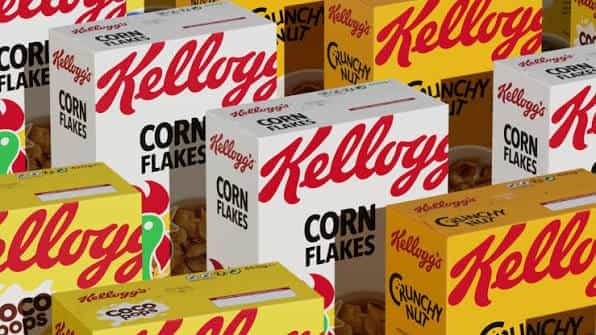
Kellogg’s holds a commanding position in Indian breakfast cereals, commanding roughly 75% of the category and remaining the clear market leader even amid a gradually shifting competitive landscape. This dominance rests on a genuinely well-rounded product portfolio spanning flakes, hot cereals, muesli, and granola, paired with an extensive distribution network reaching both urban and rural markets across the country. The category itself is evenly divided between children, adults, and family-oriented products, and Kellogg’s strategic focus has shifted from simply defending share toward expanding household penetration entirely — a sign of just how much room the company sees left to grow rather than defend.
Nestlé
Nestlé brings its broader global food manufacturing credibility into India’s cereal aisle, competing across the ready-to-eat and health-focused segments that increasingly define category growth. As one of the small handful of major players consistently named among market leaders, Nestlé benefits from the same trust and distribution advantages that support its dominance in other Indian food categories, giving its cereal offerings genuine shelf visibility even against Kellogg’s considerably larger footprint. The brand has leaned into fortification and nutritional positioning as health-conscious purchasing continues reshaping what Indian consumers expect from a morning meal.
Bagrry’s
Bagrry’s has built a genuinely strong domestic identity specifically around health-oriented breakfast options, positioning itself as an India-rooted alternative to the larger multinational players dominating the category. The brand’s product range leans heavily into oats, muesli, and whole-grain offerings that align closely with the broader consumer shift away from traditional Indian breakfasts toward convenient, nutritionally positioned alternatives. Bagrry’s has consistently appeared among the major companies shaping this market, benefiting from genuine domestic brand trust among health-conscious Indian households specifically.
Quaker
Quaker, operating under PepsiCo in India, has built particular strength in the hot cereal and oats segment, a category identified as the fastest-growing product type within India’s broader breakfast cereal market. The brand’s continued product innovation, including newer granola-based offerings, reflects PepsiCo’s broader strategy of extending Quaker’s established oats credibility into adjacent convenient breakfast formats. This positioning in hot cereals specifically gives Quaker a genuine growth advantage as Indian consumers increasingly favor this segment over traditional cold, ready-to-eat flakes.
Saffola
Saffola, under Marico, extends its established heart-health positioning from cooking oil into breakfast cereals, giving the brand a genuinely distinct identity built around functional health benefits rather than pure convenience or taste. This consistent health-first branding across Marico’s broader portfolio gives Saffola’s cereal offerings immediate credibility among consumers already familiar with and trusting the brand’s wellness positioning in other categories. As one of the established major players in this market, Saffola benefits from Marico’s existing distribution strength and marketing expertise built over decades in adjacent health-focused food categories.
What’s Reshaping the Category Right Now
India’s breakfast cereal market is expanding at a healthy compound annual growth rate, driven by rising urbanization, growing dual-income households, and a genuine, sustained shift in consumer health priorities. Ready-to-eat products still dominate overall category revenue, but premium segments — protein-fortified, organic, and increasingly millet-based cereals — are expanding the market’s scope considerably beyond traditional cornflakes and muesli.
Regulatory changes have also reshaped how brands compete: mandatory comprehensive nutritional labeling requirements introduced by India’s food safety authority have pushed the overwhelming majority of cereal brands toward genuine transparency around calories, fat, sugar, and salt content, giving health-conscious consumers considerably more reliable information than marketing claims alone ever provided. Meanwhile, quick-commerce delivery services completing orders within 10 to 30 minutes are increasingly influencing impulse cereal purchases among urban households, adding a genuinely new distribution dynamic that didn’t meaningfully exist just a few years ago.
Legacy Brands vs. New-Age Challengers
Despite emerging e-commerce-first brands offering health-oriented, novel ingredient formulations, legacy players continue dominating the category overall — largely on the strength of widespread distribution reach, affordable price points, and decades of accumulated brand recall that newer entrants simply haven’t had time to build. This dynamic suggests that while premium, niche cereal brands are genuinely expanding the category’s upper edges, the five established names covered here remain the primary battleground for mainstream Indian breakfast cereal purchasing for the foreseeable future.
The Bottom Line
Kellogg’s overwhelming market dominance anchors the category, while Nestlé, Bagrry’s, Quaker, and Saffola each compete through distinct positioning — global trust, domestic health credibility, hot cereal specialization, and functional wellness branding respectively. With India’s breakfast cereal market continuing to grow steadily and health-conscious, protein-fortified, and millet-based options expanding the category’s premium edge, these five established brands remain the clearest starting points for navigating an Indian cereal aisle that’s evolving faster than its legacy market structure might initially suggest.
FAQs
Q1. Why does Kellogg’s dominate the Indian cereal market so heavily compared to other categories where competition is more even?
Kellogg’s built its lead through decades of extensive distribution reach across both urban and rural India combined with a genuinely well-rounded product portfolio spanning flakes, hot cereals, and muesli, giving it options for nearly every household segment. This first-mover advantage, reinforced by strong brand recall built over years, has made it considerably harder for competitors to displace, even as newer, more specialized brands enter the health-focused segment.
Q2. Are hot cereals like oats genuinely growing faster than traditional cold cereals in India, and should I switch?
Yes, hot cereals have been identified as the fastest-growing product segment in India’s breakfast cereal market, reflecting a genuine consumer shift toward oats and porridge-style options perceived as more nutritious and filling than traditional cold flakes. Whether to switch depends on your personal preference and dietary goals, but if you’re specifically prioritizing sustained energy and higher fiber content, brands like Quaker or Bagrry’s oats-focused ranges are worth genuinely considering over conventional cornflakes.
Q3. How can I tell if a cereal brand’s health claims are backed by real nutritional data rather than just marketing?
Since mandatory FSSAI labeling requirements now require most cereal brands to display comprehensive nutritional information covering calories, fat, sugar, and salt content, checking this label directly gives you considerably more reliable information than relying on front-of-package health claims alone. Comparing sugar content specifically across brands claiming to be “healthy” often reveals meaningful differences that aren’t obvious from marketing language.
Q4. Is it worth paying more for premium millet-based or protein-fortified cereals over the standard mainstream brands?
This depends on your specific dietary goals — millet-based cereals offer genuine nutritional diversity and are often positioned around better blood sugar management, while protein-fortified options can meaningfully support fitness-focused diets if the added protein content is substantial rather than a marginal marketing addition. For general everyday breakfast needs without specific dietary goals, established mainstream brands like Kellogg’s or Nestlé offer perfectly adequate nutrition at a considerably lower price point.