
Two brands alone account for roughly 40% of India’s entire potato chips market, and the top five combined control nearly two-thirds of it — numbers striking enough that industry analysts now openly advise new entrants not to bother competing head-on at launch. Instead, the advice is to build regional density first and expand nationally later, exactly the path one of today’s biggest players took decades ago from a single manufacturing base in Gujarat. Understanding who dominates this category, and how they got there, explains a lot about India’s snacking habits more broadly.
Lay’s
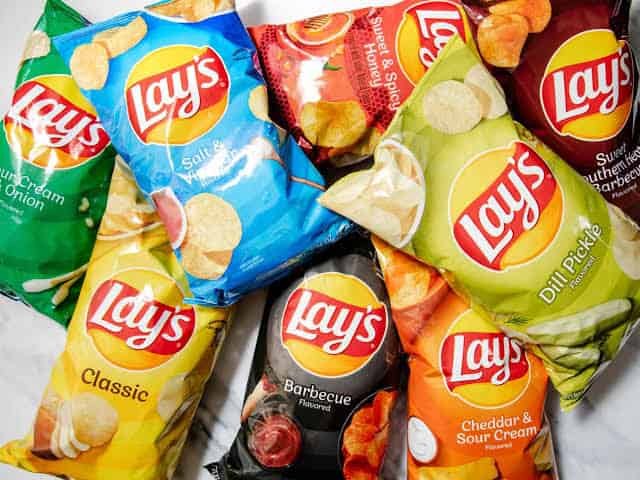
Lay’s, under PepsiCo India, dominates the category with a commanding market share that puts it well ahead of every other competitor, built on a wide range of flavors spanning classic salted options to innovative, locally inspired tastes developed specifically for Indian palates. This flavor localization strategy, combined with robust marketing and an extensive distribution network, has made Lay’s the default answer whenever an Indian consumer reaches for a bag of chips. The brand’s dominance extends into general trade specifically — kirana stores across the country stock Lay’s through a massive, deeply entrenched distribution network that gives it unrivaled brand equity and shelf presence even in the smallest towns.
Bingo!
Bingo!, ITC’s packaged snack brand, has carved out a genuine niche through bold flavor innovation, youth-centric marketing campaigns, and diverse product formats that appeal to both traditional and more experimental snack lovers. The brand develops products specifically tailored to regional taste preferences, distributing through organized retail, traditional trade, and e-commerce channels simultaneously. Bingo’s chips are made without artificial flavors or preservatives, cooked in small batches from premium potatoes, giving the brand a quality-focused positioning that complements its more playful, flavor-forward marketing identity.
Balaji Wafers
Balaji Wafers represents one of the most cited success stories in Indian regional snack manufacturing, having built a roughly 10% national market share starting from a single Rajkot, Gujarat base by first dominating the western India kirana market before expanding outward. This “regional density first, national breadth later” approach remains the most commonly recommended strategy for any new entrant trying to break into a category where the established leaders have effectively locked up modern-trade shelves and quick-commerce slots in major cities. Balaji continues to compete strongly on affordable pricing and locally preferred flavors, maintaining particular strength across western India even as its national footprint has grown.
Haldiram’s
Haldiram’s extension into potato chips reflects a genuine category-adjacency success story — a sweets-and-namkeen house leveraging its existing, extensive distribution network and strong brand recognition to credibly enter an entirely different snack category. The brand blends its traditional snacking heritage with modern chip offerings, focusing on both domestic retail and export markets with quality-driven production standards. Haldiram’s roughly 7% market share demonstrates how a trusted, adjacent food brand can successfully cross into a new category by leveraging existing consumer trust rather than building brand recognition from scratch.
Yellow Diamond
Yellow Diamond, under Prataap Snacks, has built its position specifically around affordability and aggressive distribution expansion into tier-2 and tier-3 cities, areas where the largest national brands haven’t always maintained the same depth of penetration. This strategic focus on smaller, price-sensitive markets has given Yellow Diamond genuine growth momentum distinct from competitors chasing the same metro consumer base that Lay’s and Bingo already dominate. The brand’s growing rural and urban penetration reflects a deliberate strategy of winning share in underserved geographic segments rather than competing directly in the most contested metro markets.
How the Market Is Actually Structured
The concentration at the top of this category is genuinely unusual even by Indian FMCG standards — the top two brands alone command around 40% combined share, while the top five together control approximately 61% of the entire market. This leaves a large, fragmented remainder split among numerous regional and smaller national players, which is exactly why Balaji’s regional-first playbook remains the most viable path for new entrants rather than attempting direct national competition against Lay’s and Bingo from day one.
What’s Driving Category Growth
India’s potato chips market continues expanding at a healthy annual growth rate, driven by accelerating urbanization, growing snacking culture, and continuous flavor innovation from established players. Small pouches under 50 grams, priced aggressively between ₹5-10, represent the leading market segment by volume, reflecting how price-point accessibility drives mass consumption in India more than in many other markets. At the same time, healthier baked and low-fat variants are gaining genuine traction as health-conscious consumers grow within the category, even as the volume-driven mass market remains the most commercially lucrative segment overall.
The Bottom Line
Lay’s overwhelming market leadership, reinforced by Bingo’s flavor-forward challenger positioning, anchors India’s potato chips category, while Balaji Wafers, Haldiram’s, and Yellow Diamond each demonstrate genuinely different paths to meaningful market share — regional density, category-adjacency leverage, and underserved-market focus respectively. With the top five brands controlling roughly 61% of a market still growing at a healthy pace, these names represent both the clearest consumer choices and the most instructive competitive case studies in Indian packaged snacking today.
FAQs
Q1. Why does Lay’s dominate the Indian chips market so much more heavily than its closest competitors?
Lay’s built its lead through a combination of extensive flavor localization specifically for Indian tastes, aggressive marketing, and an unmatched distribution network reaching deep into general trade and kirana stores nationwide. This first-mover advantage in building deep small-town and rural distribution has been genuinely difficult for competitors to replicate, even ones with strong brand recognition in their own right.
Q2. How did Balaji Wafers build national market share starting from just one regional base in Gujarat?
Balaji focused first on completely dominating the western India kirana market from its Rajkot base before attempting broader national expansion, building deep regional density and consumer loyalty rather than spreading thin across the whole country immediately. This regional-first strategy remains the most commonly cited playbook for new entrants trying to compete against entrenched national leaders like Lay’s and Bingo.
Q3. Are baked or low-fat potato chips genuinely comparable in taste to regular fried chips from these major brands?
Baked and low-fat variants have improved considerably in taste and texture in recent years, though they generally still differ somewhat from traditional fried chips in crunch and richness, which is a genuine tradeoff for the reduced fat content. If health considerations matter more than replicating the exact traditional chip experience, these variants from major brands like Lay’s and Bingo are worth trying, though personal taste preference plays a significant role in whether the difference feels noticeable.
Q4. Is it worth buying chips from smaller regional brands instead of the major national players like Lay’s or Bingo?
Regional brands often offer more locally specific flavors and can be more affordable due to lower distribution and marketing overhead, making them worth trying if you’re specifically interested in flavors tailored closely to your local palate. That said, established national brands generally offer more consistent quality control and wider flavor variety overall, so the choice often comes down to whether you’re prioritizing local authenticity or broader, more standardized product consistency.