
Malnutrition in childhood does not always look like what most people picture. The image of acute, visible undernutrition in crisis conditions is real and serious, but it represents only one end of a spectrum that includes chronic stunting, micronutrient deficiencies, and the less visible condition of children who have adequate calories but not the nutrients their developing bodies need. In India, all of these forms of malnutrition exist simultaneously, in different proportions across different states and communities, and the solutions for each are different.
Understanding what drives childhood malnutrition in the Indian context, rather than applying a generic intervention model, is what makes the difference between programs that produce short-term output metrics and those that produce lasting improvements in child nutrition.
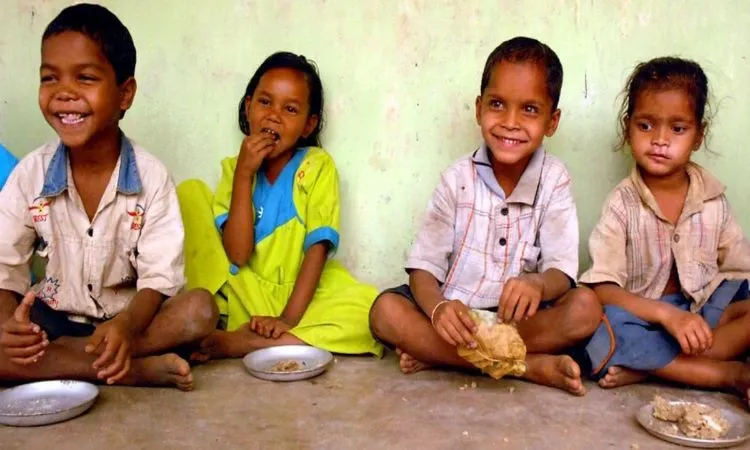
The Causes That Matter Most
Food availability is often assumed to be the primary driver of child malnutrition, and in contexts of acute food insecurity it is. But in India, the relationship is more complicated. Malnutrition persists in communities that are not experiencing acute food shortage, for reasons that have as much to do with feeding practices, water and sanitation conditions, healthcare access, and women’s status as with food supply.
Inappropriate feeding practices in the first two years of life are one of the most significant modifiable causes of undernutrition in India. Exclusive breastfeeding for the first six months, followed by appropriate complementary feeding alongside continued breastfeeding, is the feeding pattern associated with the best nutritional outcomes for infants. Rates of exclusive breastfeeding in India have been improving but remain below the levels that would produce optimal outcomes, and complementary feeding practices, including what foods are introduced, at what age, in what quantities, and with what frequency, vary widely in ways that affect whether children receive what they need during the critical window of the first thousand days.
Water, sanitation, and hygiene conditions affect nutrition through the pathway of infection. A child who is repeatedly affected by diarrheal disease, which is common in settings with poor sanitation, does not absorb and retain the nutrients they consume regardless of what those nutrients are. Treating malnutrition without addressing the infection burden that undermines nutritional status produces limited results, and this connection is sometimes underappreciated in nutrition programs that focus on food and feeding without attending to the environment in which those foods are being consumed.
Women’s nutritional status before and during pregnancy affects the nutritional status of the children they bear. A mother who is herself undernourished or anemic is more likely to have a low-birth-weight infant, and low birth weight is strongly associated with subsequent undernutrition. Addressing childhood malnutrition in the next generation requires addressing the nutrition of adolescent girls and women of reproductive age in the current one, which is a longer-horizon intervention than programs that focus only on young children.
What the Solutions Look Like in Practice
The programs that have produced the most sustained reductions in child malnutrition rates tend to work across several of these causal pathways simultaneously rather than addressing one at a time. Community health worker programs that reach mothers with practical, culturally appropriate guidance on breastfeeding and complementary feeding in the home setting have produced results in contexts where facility-based nutrition counseling reaches only a fraction of the population that needs it.
Micronutrient supplementation programs, including the distribution of vitamin A supplements, iron and folic acid supplements for pregnant women, and therapeutic zinc for management of acute diarrhea, address specific deficiencies that affect large populations in India. These programs are most effective when integrated into the routine contacts that children and families have with the health system rather than operating as separate vertical programs that require additional visits.
Water and sanitation improvements that reduce the infection burden affecting nutritional absorption address a cause that nutrition interventions alone cannot correct. Open defecation, which remains prevalent in parts of India despite significant progress, is a direct pathway through which children are repeatedly exposed to fecal pathogens that cause the diarrheal disease that undermines nutritional status. Sanitation improvements produce nutritional benefits that are independent of any change in food intake.
CRY India’s work in this space connects the prevention of malnutrition challenge to the broader set of child rights issues that create the conditions for nutritional deprivation, including girls’ education, women’s status, and access to healthcare. The organization’s perspective on what drives malnutrition in India and what approaches the evidence supports is covered through this resource on the prevention of malnutrition work that CRY India supports across communities.
Why the First Thousand Days Matter So Much
The period from conception through a child’s second birthday is referred to in nutrition policy as the first thousand days, and the significance of this window reflects what the evidence shows about when nutritional deficits cause the most lasting damage. Brain development, physical growth, and immune system development all reach critical phases during this period, and the effects of inadequate nutrition during these phases are not fully reversible by later nutritional improvement.
A child who is stunted by age two, meaning significantly shorter than expected for their age as a result of chronic undernutrition, will in most cases remain shorter than they would have been. The cognitive development gaps associated with early undernutrition affect learning capacity and lifetime economic productivity in ways that extend well beyond the individual child. The economic argument for investing in prevention during the first thousand days is as strong as the humanitarian one, and both together make the case for treating child malnutrition as a priority rather than a consequence of other development failures that will eventually resolve on their own.