
Among the roughly 200 million smartphones sold in India every year, one brand keeps coming up in conversations about genuine Indian manufacturing independence: Lava. Founded by Indian entrepreneurs, headquartered in Noida, and one of the very few phone makers that actually designs its hardware and software domestically rather than simply assembling someone else’s blueprint — Lava’s story is genuinely one of the clearest “yes, actually Indian” answers in this entire series.
| Aspect | Details |
| Nationality | Indian |
| Founded | March 27, 2009, Noida, Uttar Pradesh |
| Founders | Hari Om Rai, Vishal Sehgal, Shailendra Nath Rai, Sunil Bhalla |
| Headquarters | Noida, Uttar Pradesh, India |
| FY24 revenue | ₹3,667 crore (~$380 million) |
| Employees | 5,000+ |
| Subsidiary | Xolo |
| Market position | #7 in India, only major Indian-owned smartphone brand with full domestic R&D |
Yes, Lava International is genuinely an Indian company — founded in 2009 by Indian entrepreneurs, headquartered in Noida, Uttar Pradesh, and remaining one of the very few smartphone brands in India with full domestic control over industrial design, mechanical design, hardware, and software development.
- Founded on March 27, 2009, by Vishal Sehgal, Hari Om Rai, Shailendra Nath Rai, and Sunil Bhalla.
- As of 2025, Lava is recognized alongside Micromax as one of the only major Indian-owned and India-designed smartphone companies with domestic R&D, local manufacturing, and full brand control.
- This distinguishes Lava sharply from Samsung, Xiaomi, Vivo, Oppo, Realme, and Motorola, which assemble devices in India as part of their global manufacturing strategy but remain foreign-owned and globally designed.
What Makes Lava’s “Indian-ness” Genuinely Different
- Lava has developed research and development facilities in India, supported directly by the government’s Make in India and Atmanirbhar Bharat initiatives.
- The company primarily designs and develops its products domestically, rather than simply importing or licensing designs from abroad — a genuinely rare position among Indian smartphone brands.
- Lava’s R&D centers handle industrial design, mechanical design, hardware, and software development in-house, positioning it as the only Indian mobile brand with this level of full-stack control.
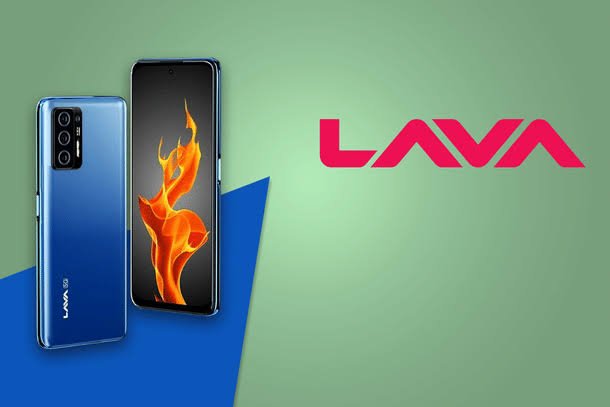
- In 2021, Lava revamped its product lineup with the launch of the AGNI series, specifically aimed at revitalizing the brand and increasing market share in India’s competitive smartphone segment.
Lava’s Genuine Global Reach
- Lava operates across a genuinely wide footprint of countries, including Nepal, Bhutan, Bangladesh, Peru, Qatar, Sri Lanka, Vietnam, Guatemala, the United States, the UAE, Kenya, Nigeria, Saudi Arabia, and several others.
- The brand has a planned UK market entry in early 2026, reflecting continued international expansion ambitions beyond its core South Asian and African markets.
- XOLO, Lava’s subsidiary brand, notably became the first Indian mobile brand to partner with AMD, reflecting Lava’s pattern of pioneering chip-level partnerships that other Indian phone brands hadn’t achieved at the time.
Worth Knowing: A Notable Investor Detail
- Among Lava’s investor list, PitchBook data references New Tsinghua Unigroup as having invested in the company — Tsinghua Unigroup being a Chinese state-linked semiconductor conglomerate.
- This is worth mentioning transparently, though it’s genuinely important to note that a minority investor stake does not equate to ownership or corporate control — Lava’s founders, headquarters, leadership, and brand identity remain firmly Indian.
- The company has also raised funding from Brand Capital, THG Ventures, Tupperware Brands, and Global Emerging Markets, reflecting a genuinely diversified investor base rather than dependency on any single foreign entity.
Lava’s Recent Business Momentum
- In May 2026, Lava announced plans to invest ₹1,100 crore specifically to boost electronics components manufacturing within India, reflecting continued domestic investment rather than offshoring.
- Lava reported FY 2023-24 revenue of ₹3,667 crore (approximately $380 million), with a net income of ₹11.59 crore.
- The company has continued launching new devices regularly throughout 2026, including the Lava Virat V1 5G series and Bold N1 5G variants, maintaining active product development momentum in India’s competitive budget and mid-range segments.
- By shipment volume, Lava ranks #7 in the Indian smartphone market with roughly 2.1% market share, trailing larger global players but maintaining a genuine, sustained presence among Indian-origin brands.
The Bottom Line
Lava International is genuinely and unambiguously an Indian company — founded by Indian entrepreneurs in Noida in 2009, maintaining full domestic control over product design, R&D, and manufacturing decisions in a way that distinguishes it sharply from the many foreign-owned brands that merely assemble phones in India. While a minority Chinese-linked investment (Tsinghua Unigroup) appears among its broader investor base, this doesn’t change Lava’s fundamental Indian ownership, leadership, and brand control — making it, alongside Micromax, one of the clearest genuine examples of a homegrown Indian smartphone success story continuing to compete against considerably larger global rivals.
FAQs
Q1. Does the Tsinghua Unigroup investment mean Lava has any Chinese ownership control?
No, this represents a minority investor stake among several funding sources, not ownership or operational control, which remains fully with Lava’s Indian founders and leadership.
Q2. How does Lava differ from brands like Xiaomi or Vivo that also manufacture in India?
Lava designs its products domestically with full in-house R&D, while Xiaomi and Vivo assemble foreign-designed products locally as part of global manufacturing strategies.
Q3. Is Lava a good choice specifically for buyers wanting to support genuinely Indian-owned brands?
Yes, Lava and Micromax remain the clearest examples of Indian-owned, India-designed smartphone manufacturers with full domestic brand control.
Q4. What software update support does Lava offer compared to larger competitors?
Lava commits to one major OS update plus 24 months of security patches for its AGNI series, comparable to many budget-segment competitors.